Anal Sex Safety in New Zealand: What Actually Makes It Safer and More Comfortable
Anal sex still carries more myths than most sexual activities. Some people assume it is supposed to hurt. Others worry that enjoying prostate or anal stimulation says something about their sexuality. Neither idea is particularly useful.
A better starting point is simple: anal play should be consensual, unhurried and comfortable enough that everyone can pay attention to what their body is telling them. Whether you are exploring with a partner, on your own, or discussing preferences in a professional adult setting, preparation and communication matter more than trying to “perform” well.
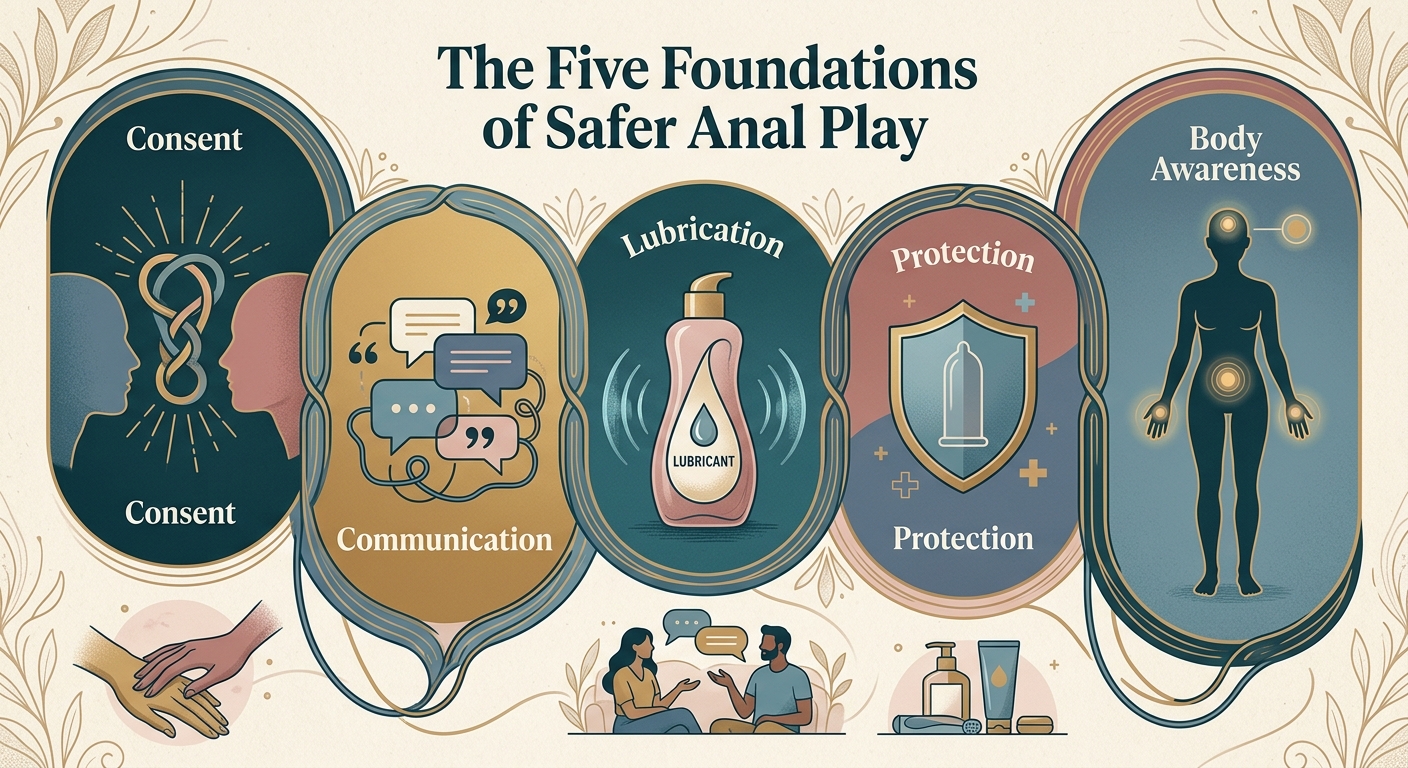
Consent Comes Before Technique
The most important safety tool is not a product. It is a clear, enthusiastic yes.
Consent should be specific, ongoing and easy to withdraw. Agreeing to intimacy does not automatically mean agreeing to anal sex, toys, prostate play or another activity. The same principle applies in professional adult services: a booking or payment never removes someone’s right to refuse an activity or stop. MyAngels’ existing New Zealand industry coverage also places clear boundaries and worker autonomy at the centre of professional adult encounters.
If someone feels pressured, tense or uncertain, slowing down is far more useful than trying to push through the feeling.
Pain Is Information, Not a Challenge
One of the most persistent myths about anal sex is that pain is simply part of the deal.
Mild pressure or an unfamiliar stretching sensation may occur, but sharp, worsening, or persistent pain is a reason to stop.
That is also why numbing or desensitising products deserve caution. If an area becomes too numb to register discomfort properly, it is harder to notice when friction, overstretching or another injury may be developing. Burnett Foundation Aotearoa specifically advises caution with desensitising and relaxing anal lubricants for this reason.
A safer approach is straightforward:
- Start slowly.
- Use plenty of suitable lubricant.
- Choose a position where the receiving partner can control the pace.
- Pause when the body tightens.
- Stop if discomfort becomes more intense.
There is no prize for rushing.
Lubricant Makes a Real Difference
Unlike the vagina, the rectum does not produce its own lubrication for sex. Added lubricant is therefore particularly important for reducing friction and improving comfort.
Water-based and silicone-based lubricants are common choices. Water-based products are easy to clean but may need to be reapplied. Silicone-based lubricants generally last longer, although they can be harder to wash off.
If toys are involved, check the manufacturer's compatibility guidance before combining silicone toys with silicone lubricant.
When using latex or polyisoprene condoms, avoid oil-based products such as coconut oil, petroleum jelly or body lotion. Oil can weaken these condom materials and increase the risk of breakage. New Zealand safer-sex guidance also recommends extra lubricant for anal sex because insufficient lubrication increases friction.
Preparation Should Reduce Anxiety
People often overthink anal preparation, especially hygiene.
For many adults, ordinary washing is enough. Some people choose additional cleaning, but preparation should not become an anxious attempt to make the human body behave as though it has no digestive system.
More useful preparation is surprisingly simple: trim nails if fingers are involved, discuss boundaries before changing activities, keep lubricant within reach and allow enough time that nobody feels rushed.
That same communication-first approach appears throughout the MyAngels New Zealand adult-industry and sexual wellness articles, particularly when discussing consent, professional boundaries and private encounters.
Safer Sex Includes STI Protection
Anal sex can transmit sexually transmissible infections, including infections affecting the rectum. Receptive anal intercourse can also carry a significant HIV transmission risk when HIV is present and effective prevention is not being used.
Condoms used correctly with sufficient compatible lubricant can reduce the risk of HIV and many other STIs. New Zealand sexual-health guidance also recommends STI testing when people have new sexual partners, as many infections can occur without obvious symptoms.
For people with an ongoing risk of HIV exposure, PrEP may also be worth discussing with a GP or sexual-health provider. Health New Zealand and Burnett Foundation Aotearoa both provide information about accessing PrEP in New Zealand.
Prostate Pleasure Does Not Define Sexual Orientation
Another myth worth retiring is the belief that enjoying prostate stimulation determines whether a man is gay, straight or bisexual.
Pleasure and sexual orientation are different things.
The prostate can be sensitive regardless of the gender of the person providing stimulation. What someone enjoys physically does not, by itself, determine who they are attracted to.
Removing that stigma makes it easier for adults to talk honestly about preferences, boundaries and safer-sex choices.
When to Speak With a Health Professional
If you experience ongoing anal pain, unexplained bleeding, recurring painful haemorrhoids or another health concern, speaking with a GP or sexual-health clinician is a sensible next step.
You do not need a complicated explanation. A direct question, such as, “Is there anything medically I should know before having anal sex?” can start the conversation.
If talking about sexual health feels uncomfortable, write your questions down first or choose a clinic that regularly deals with sexual-health concerns.
Better Anal Sex Starts With Less Pressure
Good anal sex is not measured by how quickly penetration happens, how much someone can “take,” or whether the experience looks impressive.
It comes down to comfort, trust, communication, and the ability to change your mind without embarrassment.
Go slowly. Use enough lubricant. Think about STI protection. Pay attention to pain. Keep consent active. And if something does not feel right, stop.
For people exploring intimacy within New Zealand’s adult-services environment, browsing MyAngels’ NZ listings and profiles can also reinforce an important expectation: preferences should be communicated clearly, and individual boundaries always come first.
That is what informed sexual confidence looks like.
Frequently Asked Questions
Is anal sex supposed to hurt?
No. Some pressure or stretching can feel unfamiliar, but sharp or persistent pain is a reason to stop, add more lubricant, slow down or reconsider the activity.
What lubricant is best for anal sex?
Water-based and silicone-based lubricants are commonly used. Silicone usually lasts longer, while water-based products are easier to clean. Always check condom and toy compatibility.
Do condoms matter for anal sex?
Yes. Condoms can reduce the risk of HIV and many other STIs. Using enough compatible lubricant also reduces friction and helps lower the chance of condom breakage.
Is anal play only a partnered activity?
No. Some adults explore anal or prostate stimulation alone first because it allows them to learn what pressure, pace and sensations feel comfortable before involving another person.