Christchurch Had a Sex Industry Long Before Anyone Invented Escort Websites
Before online profiles, discreet hotel bookings and professional escort agencies, Christchurch already had a rather lively adult industry. And some of its most interesting characters were women the city would probably have preferred to forget.
Christchurch likes to think of itself as a respectable sort of place.
Beautiful gardens. Elegant old buildings. A cathedral. Plenty of people who probably believe civilisation begins with a decent cup of tea and somebody mowing the lawn.
Lovely.
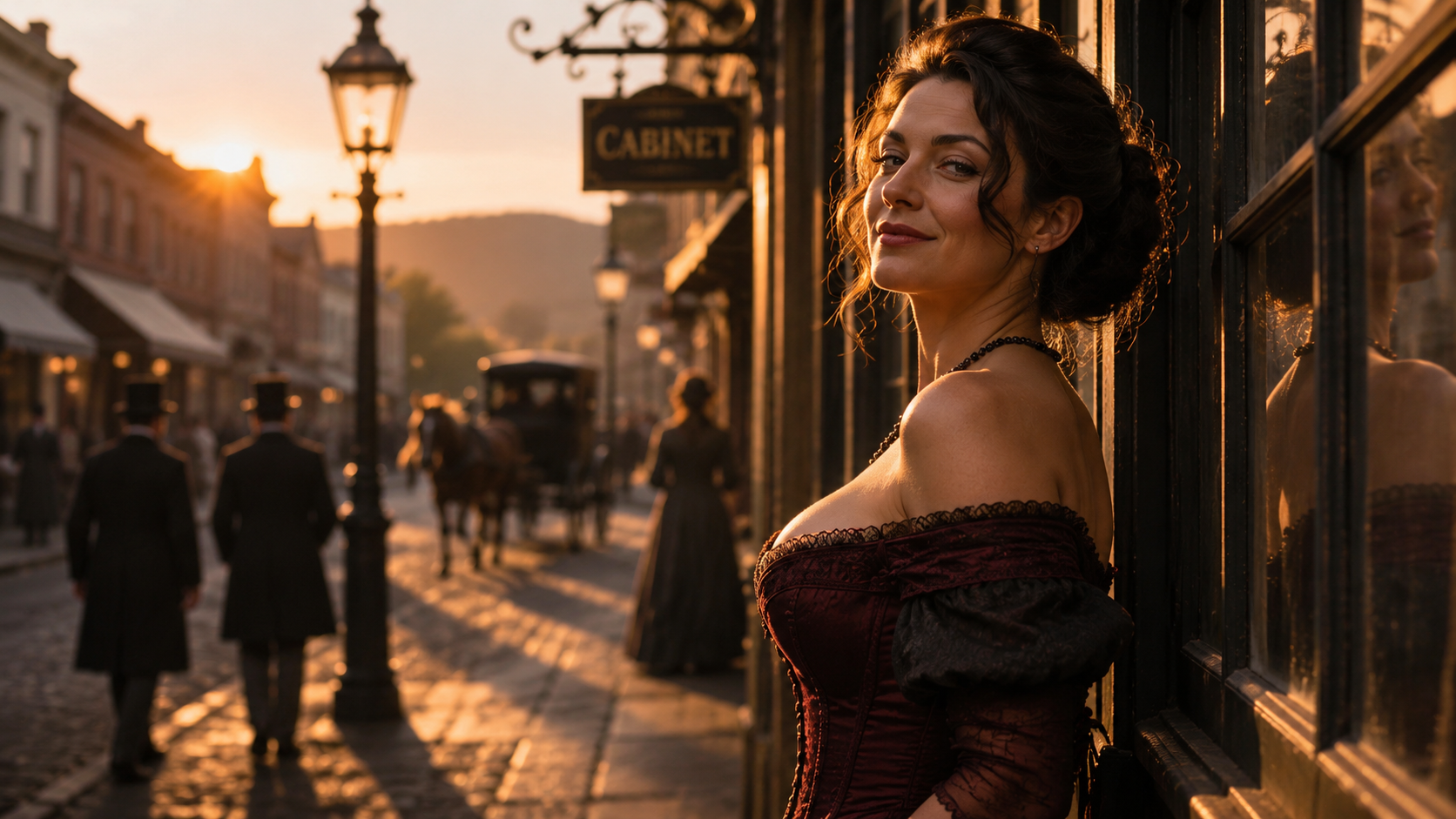
Except that, back in the 1860s, Christchurch also had a rather enthusiastic sex industry.
And no, this wasn't something imported by the internet, dating apps or the modern escort business.
It was already thriving when getting around town involved horses rather than Ubers.
In fact, by 1869, Christchurch had 28 known brothels.
Twenty-eight.
For a young colonial settlement that supposedly valued good manners and Christian morality, that's quite an impressive amount of extracurricular activity.
Meet Mary Ann Greaves. Christchurch's Original Trouble-Maker.
If nineteenth-century Christchurch had possessed social media, Mary Ann Greaves would probably have been trending every other Tuesday.
Born in England in 1834, she arrived in Canterbury from Tasmania in 1859.
By 1864, she was among the women known to be working in the local sex industry.
And Mary Ann wasn't exactly the quiet, invisible type.
She drank. She argued. She fought. She frequently appeared in court.
She was also convicted of offences including assault and robbery, so let's not pretend she was some misunderstood Victorian saint.
But what makes her story interesting isn't simply her criminal record.
It's how obsessively the authorities documented her behaviour.
A woman could apparently become a local celebrity for being drunk, using colourful language and refusing to disappear quietly.
Meanwhile, the men paying for sexual services rarely received the same starring role in the moral drama.
Funny how that works.
Christchurch Had Brothels Hidden Behind Some Very Respectable Businesses
Here's my favourite little detail about Victorian Christchurch.
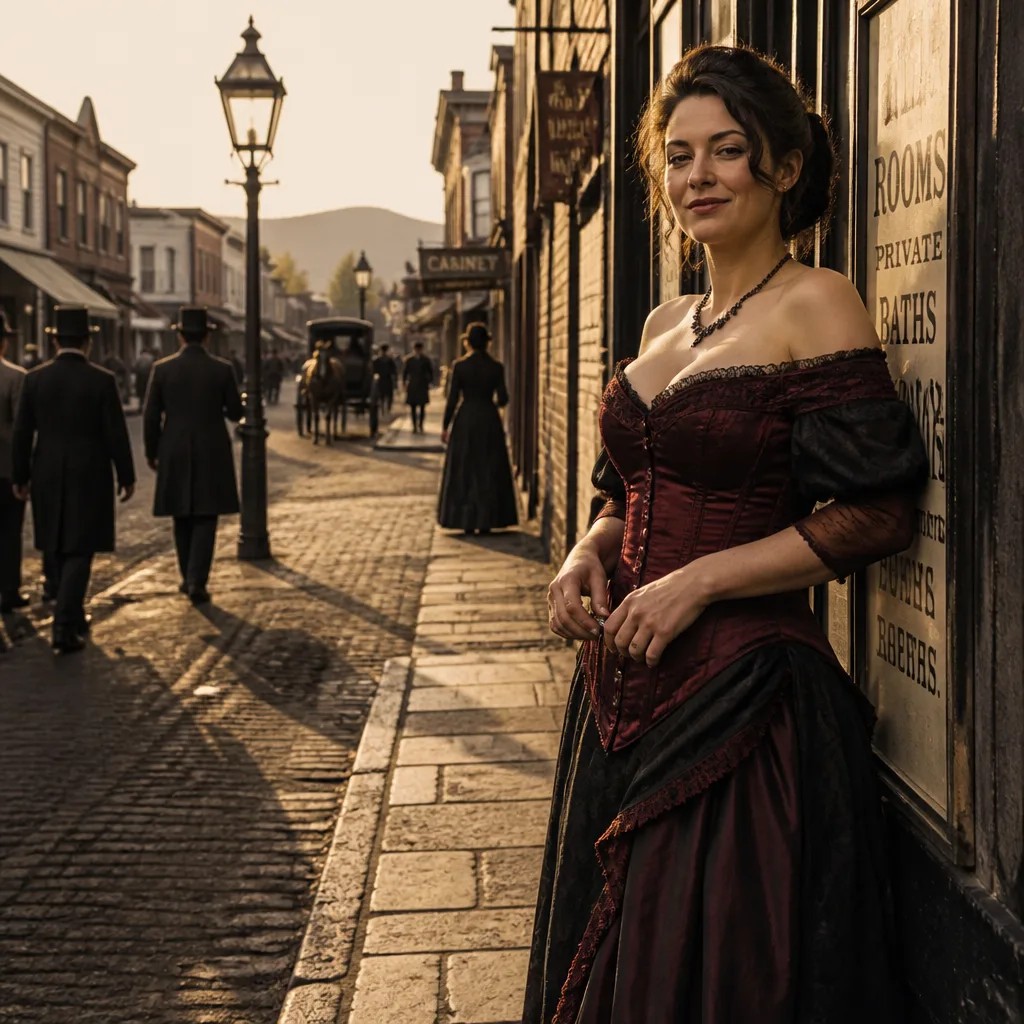
According to Te Ara's historical records, some nineteenth-century brothels operated behind perfectly ordinary shopfronts.
A vegetable shop.
An oyster saloon.
Even a lolly shop.
Imagine popping out for some groceries and discovering the neighbours had a rather different understanding of customer service.
Of course, we shouldn't assume every shopkeeper was secretly running a brothel.
But these arrangements reveal something rather familiar about human behaviour.
Society wanted sex work to exist when it was convenient.
It simply didn't want to look at it.
Christchurch was hardly unique in that respect. But the contrast between its respectable public image and its private appetites is difficult to ignore.
Apparently, Victorian morality was flexible enough to accommodate quite a lot, provided nobody mentioned it over Sunday dinner.
The Customers Were Surprisingly Good at Staying Invisible
Historical records tell us plenty about women like Mary Ann Greaves.
Their arrests.
Their drinking.
Their arguments.
Their supposed lack of respectable behaviour.
What they tell us considerably less about is the men who kept the industry financially viable.
And that's the part I find particularly interesting.
A city doesn't develop dozens of brothels because a handful of women wake up one morning and decide to start an unusually ambitious hobby.
There had to be customers.
Yet the women became the public problem.
The clients? Often little more than background scenery.
It's a pattern that hasn't entirely vanished.
Even today, discussions about New Zealand's sex work industry sometimes focus more on judging the people providing services than examining the behaviour of those purchasing them.
The technology has changed.
The double standards? Not nearly as much as we'd like to believe.
When Being a Woman Was Apparently a Public Health Problem
Things became even more complicated in 1869.
New Zealand introduced the Contagious Diseases Act, allowing authorities to require medical examinations of women considered to be prostitutes.
Women diagnosed with certain infections could be detained.
Mary Ann Greaves herself was detained under the legislation in 1876 after failing to attend a required examination.
Now, public health is important.
Nobody is arguing otherwise.
But there's something rather spectacular about a system that concentrated its powers on women while largely overlooking the men who were also involved in sexual encounters.
The authorities were deeply concerned about disease.
They had a very selective understanding of who should carry the responsibility.
Apparently, equality was still a few generations away.
Not Every Woman Had the Luxury of Being Respectable
It's tempting to turn these women into colourful historical characters.
And Mary Ann certainly gives us plenty of material.
But behind the amusing court reports was a much less glamorous reality.
Women in colonial New Zealand had fewer economic opportunities than men. Domestic service and other poorly paid work offered limited independence.
For some women, selling sexual services was one way of earning money.
For others, their circumstances were shaped by poverty, instability or difficult personal relationships.
We shouldn't pretend to know what motivated every woman.
Nor should we romanticise lives that could involve repeated imprisonment, poor living conditions and considerable vulnerability.
Mary Ann's story makes that painfully clear.
In 1893, when she was approaching 60, she was still appearing in official records.
She died in Christchurch in 1897.
Not exactly the ending of a glamorous historical romance.
But certainly a life worth remembering.
From Hidden Brothels to Modern Christchurch Escorts
Fast-forward more than a century.
The industry looks very different.
Today, Christchurch escorting operates in a country where sex work was decriminalised in 2003.
Online profiles have replaced many traditional forms of advertising. Independent workers have more opportunities to manage their own bookings, establish boundaries and choose how they work.
That doesn't mean every problem has disappeared.
But the legal environment is dramatically different from the one Mary Ann Greaves knew.
And perhaps that's why her story deserves another look.
It's easy to congratulate ourselves on how progressive we've become.
It's considerably harder to admit how long society spent punishing women for participating in an industry that its own customers helped sustain.
Christchurch's History Was Never Quite as Innocent as It Looked
I rather like the fact that Christchurch has such a complicated past.
It makes the city more interesting.
Real cities aren't built entirely from beautiful churches, polite neighbours and carefully maintained gardens.
Ordinary people build them.
Some respectable. Some rebellious. Some making a living in ways their neighbours preferred not to discuss.
Mary Ann Greaves wasn't a perfect person.
She wasn't required to be.
And the women who worked in Christchurch's early sex industry weren't simply embarrassing footnotes in an otherwise respectable history.
They were part of the city.
Long before escort websites, online bookings or modern debates about sex work, Christchurch already had a complicated relationship with desire, money and morality.
Perhaps the biggest surprise isn't that Christchurch had a thriving adult industry 160 years ago.
It's that anyone ever imagined it didn't.